Humic Acid for Plants
Humic acid is a powerful organic substance widely used in modern agriculture and home gardening to improve soil health and boost plant growth. Derived from decomposed plant and animal matter, humic acid plays a vital role in enhancing nutrient availability, strengthening roots, and increasing crop yield.
As farmers and gardeners look for sustainable ways to improve productivity, humic acid has become an essential component of soil management practices.
What Is Humic Acid?
Humic acid is a naturally occurring organic compound formed during the decomposition of organic materials such as plant residues, peat, and lignite. It is a major component of humus—the dark, fertile portion of soil that supports healthy plant growth. Unlike chemical fertilizers that provide direct nutrients, humic acid works by improving the soil’s physical, chemical, and biological properties, making nutrients more accessible to plants.
Importance of Humic Acid for Plants
Healthy soil is the foundation of strong plant growth, and humic acid contributes significantly to soil fertility. It improves soil structure, enhances water retention, and supports beneficial microbial activity. By improving the soil environment, humic acid allows plants to absorb nutrients more efficiently, leading to better growth, higher resistance to stress, and improved yields.



A short and simple table on humic acid composition
| Component | Approximate Percentage | Role in Plants/Soil |
|---|---|---|
| Carbon (C) | 50–60% | Improves soil structure and organic matter |
| Oxygen (O) | 30–35% | Supports nutrient exchange in soil |
| Hydrogen (H) | 4–6% | Enhances chemical bonding in soil |
| Nitrogen (N) | 1–4% | Promotes plant growth and metabolism |
| Sulfur (S) | 0–1% | Aids enzyme activity |
| Functional Groups (Carboxyl, Phenolic) | Trace | Improve nutrient chelation and absorption |

Key Benefits of Humic Acid for Plants
1. Improves Nutrient Uptake
Humic acid acts as a natural chelating agent, binding with essential nutrients such as nitrogen, phosphorus, potassium, iron, and zinc. This prevents nutrient loss through leaching and makes them readily available to plant roots. As a result, plants receive balanced nutrition throughout their growth cycle.
2. Enhances Root Development
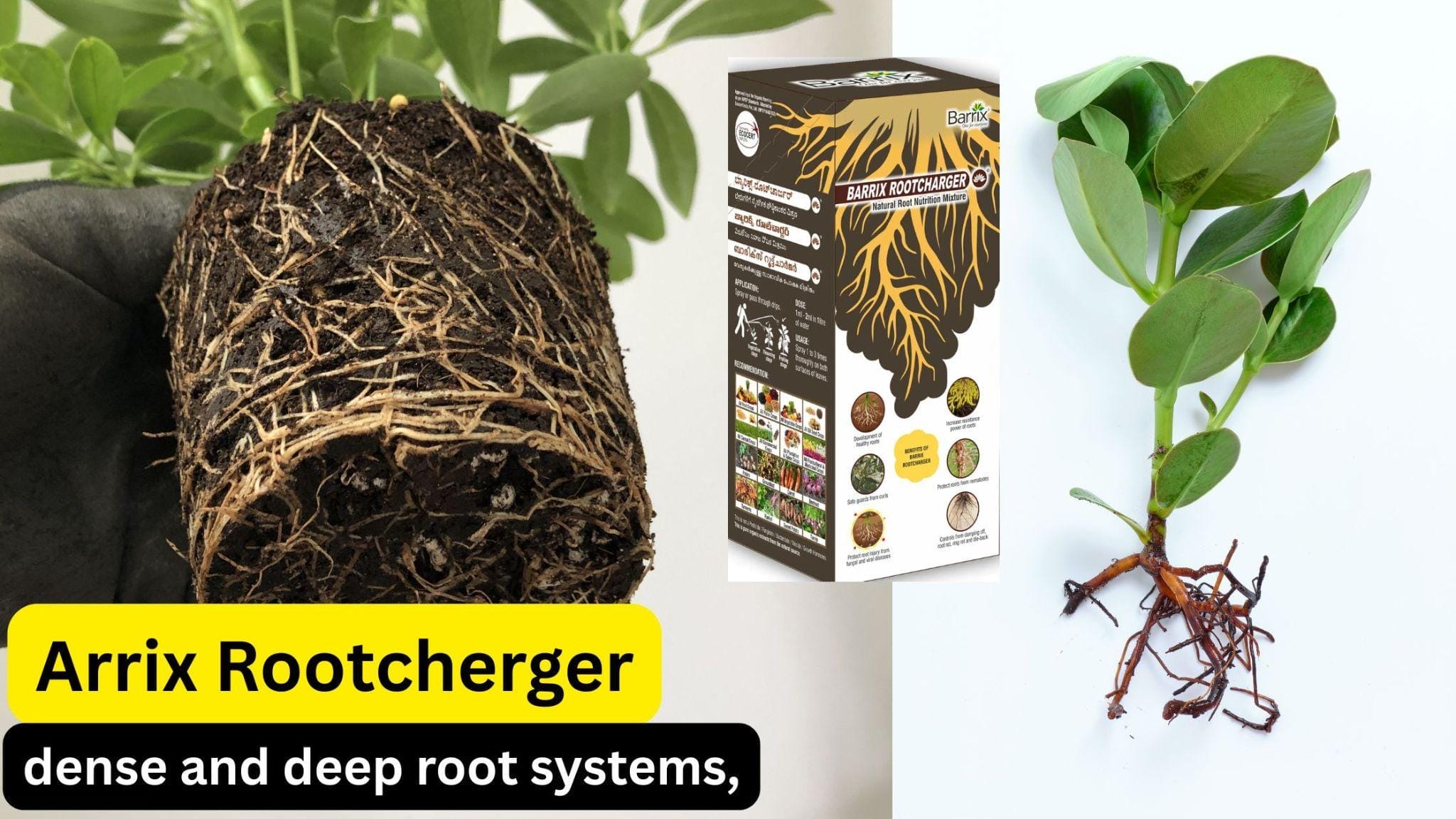
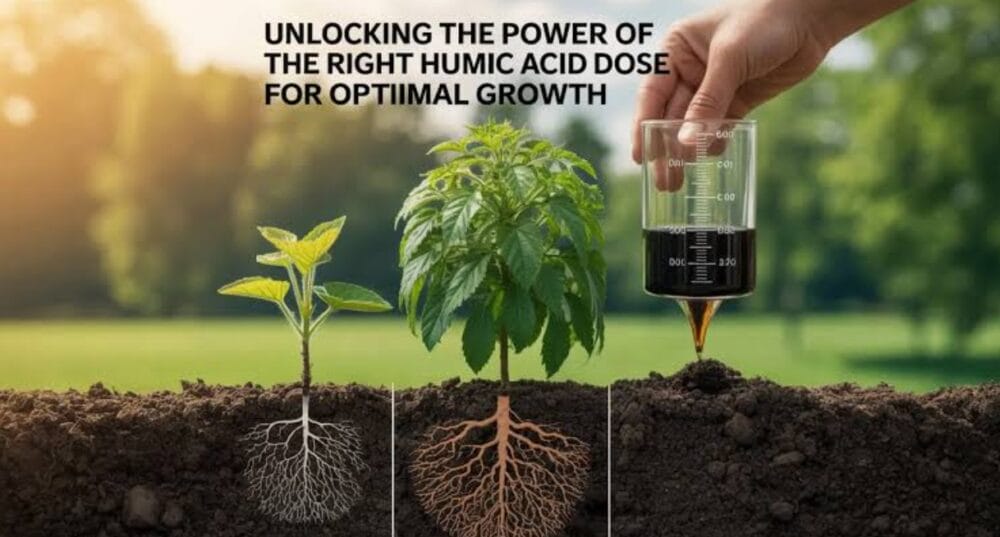
One of the most noticeable effects of humic acid is improved root growth. It stimulates root elongation and branching, enabling plants to explore a larger soil area for water and nutrients. Strong roots also improve plant stability and resilience.
3. Improves Soil Structure
In sandy soils, humic acid increases water-holding capacity, while in clay soils it improves aeration and drainage. This balanced soil structure creates an ideal environment for root growth and microbial activity.
4. Boosts Microbial Activity
Humic acid supports beneficial soil microorganisms that play a crucial role in nutrient cycling. These microbes break down organic matter and release nutrients in forms plants can easily absorb, promoting long-term soil fertility.
5. Increases Plant Stress Tolerance
Plants treated with humic acid show improved tolerance to drought, salinity, temperature extremes, and transplant shock. It helps regulate plant metabolism and improves water-use efficiency, which is especially important under adverse growing conditions.
6. Enhances Crop Yield and Quality
By improving nutrient availability and root efficiency, humic acid contributes to increased crop yield. It also improves the quality of produce by enhancing color, taste, shelf life, and nutritional value.
Also Read: Basics of Composting at Home: A Complete Beginner’s Guide
Types of Humic Acid Products
Humic acid is available in several forms to suit different agricultural needs:
- Liquid Humic Acid: Easy to apply through drip irrigation, foliar spray, or soil drenching.
- Granular or Powdered Humic Acid: Commonly mixed with soil or applied during land preparation.
- Humic Acid with Fulvic Acid: A combination product that offers faster nutrient absorption and enhanced plant response.
How to Use Humic Acid for Plants
Soil Application
Humic acid can be applied directly to the soil during land preparation or around the root zone of established plants. It improves soil fertility and prepares the soil for efficient nutrient uptake.
Foliar Spray
When applied as a foliar spray, humic acid enhances nutrient absorption through leaves and improves plant metabolism. This method is especially useful during critical growth stages.
Drip Irrigation and Fertigation
Humic acid can be easily applied through drip irrigation systems. It improves nutrient use efficiency and reduces fertilizer wastage.
Also Read: Top 10 Benefits of Organic NPK Fertilizers for healthy plants
Recommended Dosage
The dosage of humic acid depends on crop type, soil condition, and product concentration. Generally, liquid humic acid is applied at 2–5 ml per liter of water for foliar spray, while soil application rates vary between 2–5 liters per acre. Always follow the manufacturer’s guidelines for best results.
Humic Acid vs Chemical Fertilizers
While chemical fertilizers provide immediate nutrients, they do not improve soil health in the long term. Humic acid, on the other hand, enhances soil structure and nutrient efficiency, reducing the need for excessive chemical fertilizer use. When used together, humic acid improves fertilizer effectiveness and supports sustainable farming.
Role of Humic Acid in Organic Farming
Humic acid is widely accepted in organic farming because it is derived from natural sources and improves soil health without harming the environment. It supports eco-friendly agriculture by reducing chemical inputs, improving soil biodiversity, and promoting long-term sustainability.
Conclusion
Humic acid is a valuable soil conditioner and plant growth enhancer that offers numerous benefits for farmers and gardeners alike. From improving nutrient uptake and root development to increasing stress tolerance and yield, humic acid plays a crucial role in sustainable plant production.
Regular use of humic acid leads to healthier soil, stronger plants, and better-quality crops, making it an essential tool for modern agriculture.
Frequently Asked Questions (FAQ)
Q1. Is humic acid safe for all plants?
Yes, humic acid is safe for vegetables, fruits, flowers, lawns, and ornamental plants when used as recommended.
Q2. Can humic acid replace fertilizers?
Humic acid is not a fertilizer but a soil conditioner. It enhances fertilizer efficiency but does not replace essential nutrients.
Q3. How often should humic acid be applied?
It can be applied every 15–30 days depending on crop type and soil condition.
Q4. Can humic acid be mixed with other fertilizers or pesticides?
Yes, humic acid is generally compatible with most fertilizers and pesticides, but a jar test is recommended before mixing.
Q5. What is the difference between humic acid and fulvic acid?
Humic acid mainly improves soil structure and nutrient retention, while fulvic acid enhances nutrient transport within the plant. Using both together provides better results.
Q6. Does humic acid work in all soil types?
Yes, humic acid is effective in sandy, clay, and loamy soils, improving their physical and chemical properties.
Also Read:Top 9 Broccoli Health Benefits